Dungeon Floor #0204 (Small Logging Site, Common): OpenSea owner wallet, traits, and collector notes on ApeChain. […]
Read More… from Dungeon Floor #0204 · Small Logging Site (Common)
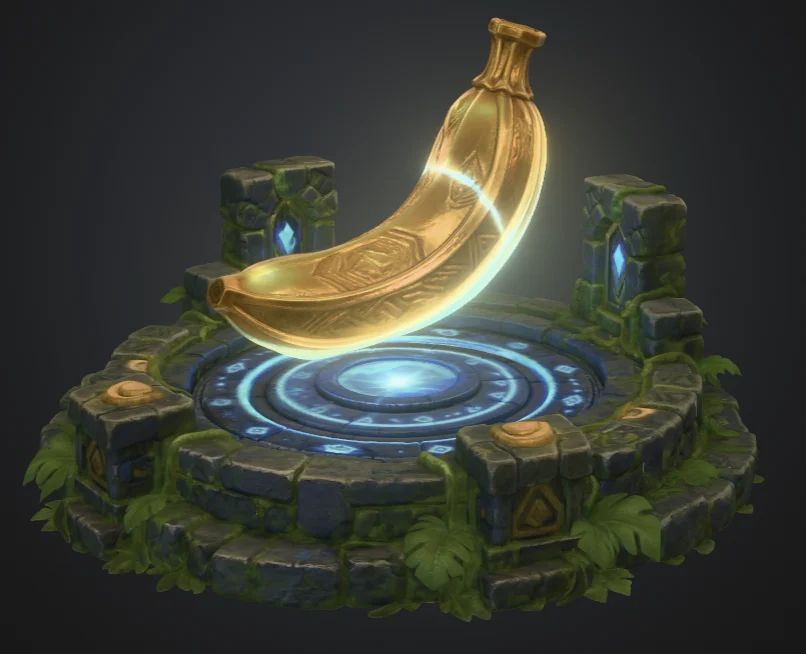
Dungeon Floor #0204 (Small Logging Site, Common): OpenSea owner wallet, traits, and collector notes on ApeChain. […]
Read More… from Dungeon Floor #0204 · Small Logging Site (Common)
Dungeon Floor #0202 (Windmill Edge, Common): OpenSea owner wallet, traits, and collector notes on ApeChain. […]
Read More… from Dungeon Floor #0202 · Windmill Edge (Common)
Dungeon Floor #0171 (Captain’s Navigation Rift, Epic): OpenSea owner wallet, traits, and collector notes on ApeChain. […]
Read More… from Dungeon Floor #0171 · Captain’s Navigation Rift (Epic)
A Web3 game whitepaper should explain gameplay utility, economy design, and governance changes in plain terms. The best way to read one is to validate each claim against visible product updates, not just token language. For ApeScape, read the ApeScape Whitepaper first, then cross-check gameplay references in ApeScape Dungeons and implementation cadence in the ApeScape […]
A pre-beta game roadmap is credible when milestones are specific, sequencing is realistic, and updates are published consistently. If roadmap entries are vague or unchanged for long periods, execution risk is higher. For ApeScape, start review in the ApeScape Development Hub, then verify project context on ApeScape Genesis and technical assumptions in the ApeScape Whitepaper. […]
MMO dungeon progression systems keep players engaged by combining escalating challenge, clear reward loops, and repeatable advancement milestones. Strong systems balance difficulty, pacing, and rewards so players improve over time without hitting dead-end grinds. In ApeScape context, this progression model should map directly to ApeScape Dungeons, supported by implementation updates in the ApeScape Development Hub […]
NFT game economies work when digital assets have clear gameplay utility, balanced issuance, and transparent update governance. If assets are only speculative and disconnected from play, retention and trust usually decline over time. Use four checkpoints to evaluate any project economy: utility, sinks, issuance, and governance. For ApeScape-specific due diligence, read the ApeScape Whitepaper, compare […]
Read More… from How NFT Game Economies Work (Without the Hype)
A Web3 MMO is a massively multiplayer online game that adds blockchain-based ownership to normal MMO systems like progression, combat, and social play. The strongest Web3 MMOs still prioritize gameplay first, with ownership as a support layer rather than the full product. If you are evaluating a project quickly, check three things: gameplay loop clarity, […]
Read More… from What Is a Web3 MMO? A Practical Beginner Guide
The public ApeScape tracker is intentionally filtered, but the three visible in-progress beads already show how the site, collections, and ApeChain news stack are moving together in pre-beta. […]
Read More… from Recent Beads, Real Momentum: What the Public Tracker Shows Right Now
Dungeon Floor #0164 (Broken Trail Split, Common): OpenSea owner wallet, traits, and collector notes on ApeChain. […]
Read More… from Dungeon Floor #0164 · Broken Trail Split (Common)